by Connie Habash | May 18, 2026 | Balance, Gratitude, Receiving

To find inner balance and harmony with the world, learn from the bee, who gives generously and receives abundantly.
Nature has its way of making sure everything stays in balance. As animals inhale oxygen, they exhale carbon dioxide, and thus the plants can take in the carbon dioxide for their nourishment, providing us with the oxygen we need as their by-product.
Each animal has another animal or plant that it eats for sustenance, and every animal or plant has its predator. This way, the ecosystem stays mostly in harmony, unless big changes come and affect the area, such as climate change, human intervention, or natural disasters. In all balanced systems, there is give and take.
The Wisdom of the Bee and the Flower
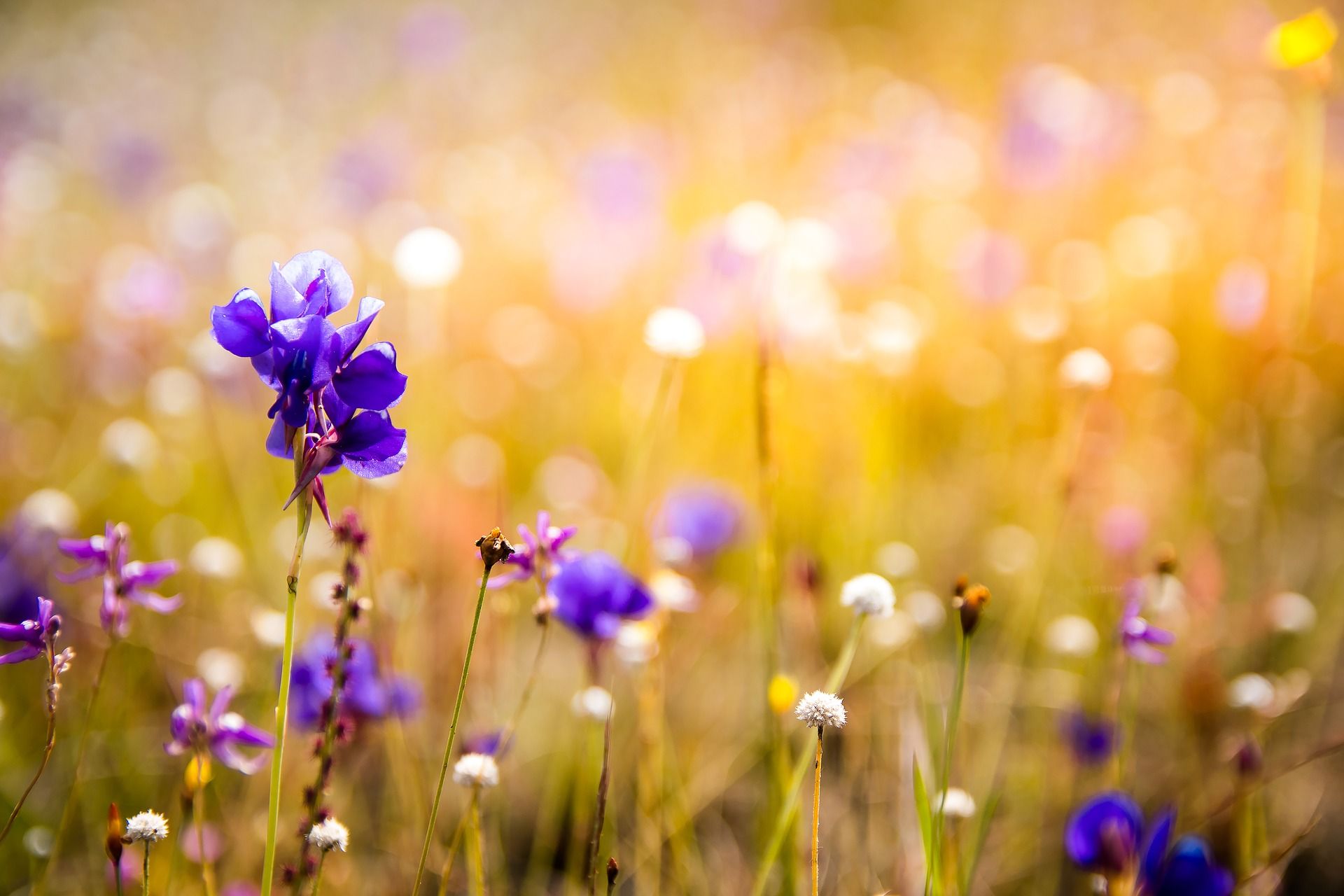
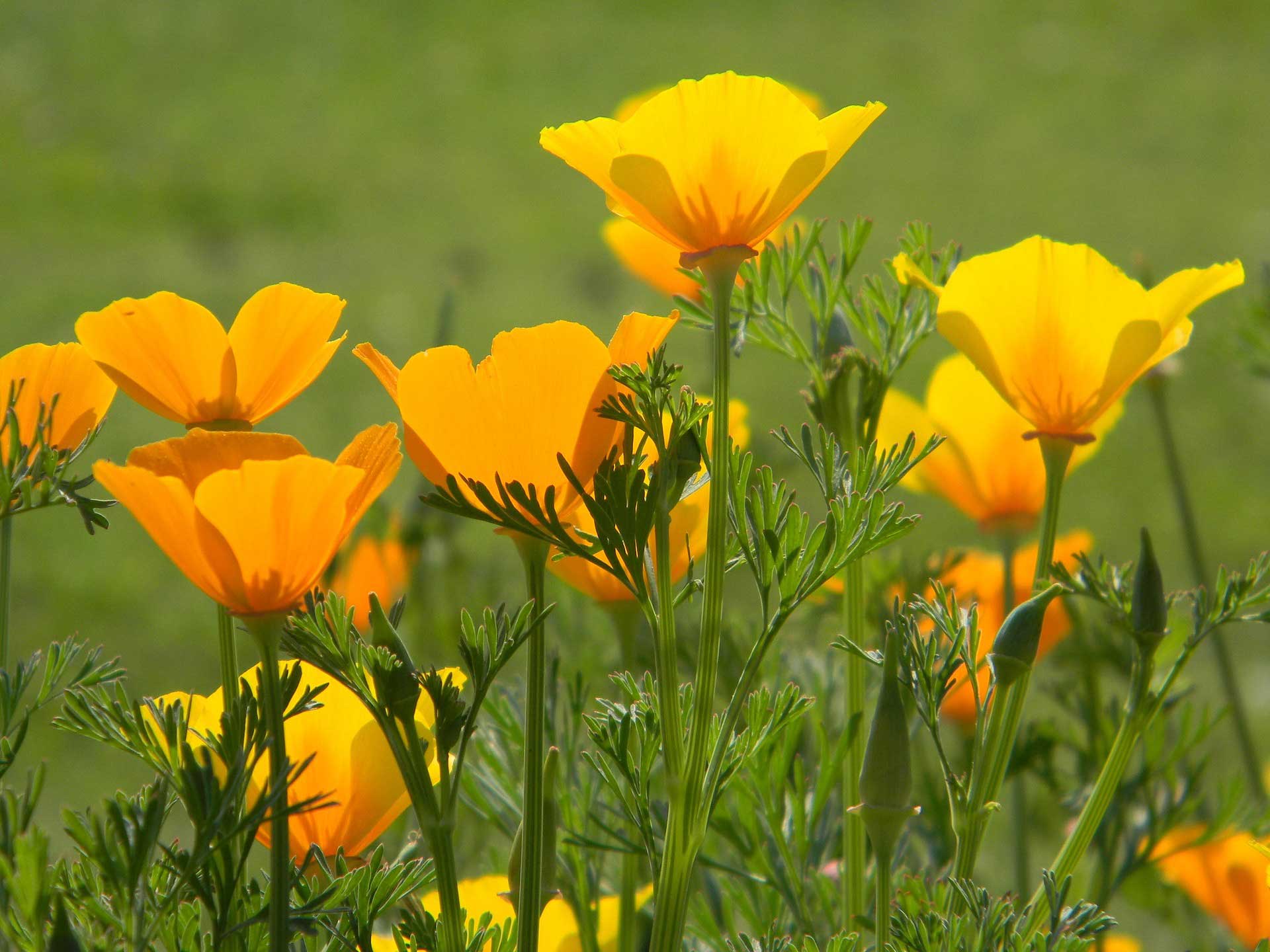
Bees have their own way of contributing to the harmony of the greater ecosystem. They are seen during the warm seasons fervently hopping from flower to flower, taking in the nectar that they need for their own strength, as well as what is needed for the hive and their offspring.
But they’re not just taking the nectar – the nectar is the flower’s gift for the exchange of pollen between flowers that the bees provide, as they dance to and fro amongst the blossoms. Without the pollen being carried between flowers, most flora would perish. And without the nectar, so would the bees. Both the bees and the flowers are constantly giving and receiving, and this helps both of them to flourish.
It’s strange that somehow this natural balance of giving and receiving gets lost with us humans. There are times when it feels like someone is taking, taking, taking from you – or from the planet and there’s little that comes back.
Do you ever feel like you give too much? Or, do you feel like you aren’t allowed many opportunities to give, because someone else always is? We may feel more comfortable in one role – as giver or as receiver – than the other. But the way to feeling balanced and whole, both within oneself and also as a part of a larger community, is to practice both receiving and giving.
Learning to Receive as Well as Give
Let yourself receive nurturance, support, love, and inspiration from others. Then consider, how can I find a way to pass this on to someone? How can I offer the benefit of what I just received to the larger community or planet? This is how we keep ourselves, our relations, and all of nature in a healthy balance.
If we drink a glass of milk, or eat a bowl of vegetables, reverently consider the gift of the cow or the plant it came from. Imagine the person who milked it or harvested it with respect and gratitude.
In drinking this glass of milk, allowing ourselves to be nourished by it, contemplate how you can nourish the heart of someone close to you. Then, reflect on how you can help replenish what you have taken from the land – maybe through planting a tree, or putting seed out for some birds.
The Practice of Giving and Receiving in Yoga
Take this practice onto your yoga mat. Each pose has a gift that it offers us. Do we sometimes resist its blessings, challenges, and insights? Open to receive deeply with each breath and movement. Then, explore what you give to your practice. Are you offering your full attention, or allowing yourself to get caught up in distractions? Do you do your best, or just try to get through the routine?
Give from your heart to your practice, holding back nothing, and you will receive far more. This doesn’t mean overexertion, but rather allows a full, complete experience of body, breath, heart, and consciousness. Giving fully and receiving deeply with each breath brings about transformation and awakening. Each pose is the flower you offer mindful, heartfelt embodiment to, and open to receive the nectar of yoga from.
Living in Gratitude and Reciprocity
Be like the bee, who is giving without even being conscious of it. Consider how a gift graciously received brings joy to the giver. Sometimes you’re giving back just by being appreciative of what is given to you. It warms a person’s heart to know that something they’ve done for someone else made a difference. Open to receive what is given with joy and gratitude.
Then, when you’re giving to someone else, take in with gratitude the honor of being able to give. Notice how giving from feeling full and overflowing with gratitude also nourishes yourself. Like the bee and the flower, you are more radiant and sweet from both the giving and receiving.
As you open to the natural flow of giving and receiving, may you feel more nourished, connected, and whole. Explore Awakening Women of the Earth (AWE) to deepen your connection with yourself, community, and Spirit.
by Connie Habash | Jun 3, 2025 | Balance, Practice, Yoga

Summer is just around the corner. With the growing daylight, you probably feel ready to expand your horizons. Yet the increasing heat may put a little damper on your explorations.
Still, there’s no reason why you can’t open, expand, and play while cooling off from summer’s heat and intensity – and you don’t even need to hop into a pool! Ardha Chandrasana, the half-moon pose, has a cooling effect on the body while challenging us to balance, lengthen, and reach for the heavens.
While most of us – and especially our children – love the vibrant energy of summertime, it can be a drag when heat and humidity increase. This enflames the firey energy of Pitta dosha (or “body-mind type” in the health system of Ayurveda), which can cause burn-out, exhaustion, over-heating, higher blood pressure, and anything else which is caused by increased pressure and heat in body and mind. Tempers, not just temperatures, can soar! The dominance of Pitta calls for calming, cooling, and expanding poses to disperse the steam and turn the pressure down.
Why Half-Moon Pose is Perfect for Summer
Ardha Chandrasana, the “Half-Moon pose”, is the perfect solution. Ardha Chandrasana is one of my favorite Pitta-calming poses because it addresses all the issues of high Pitta, and it’s fun and challenging, too (which is all-important for those competitive and active Pittas out there).
Half-Moon is a balancing pose on one leg – but leaning over your side, with one hand on the ground. One leg stays grounded (establishing the needed earth element), while the other leg extends far up and back, out of the belly, and the top arm similarly expands up out of the heart towards the luminous, heavenly body it’s named after. The expansion of the pose cools, releasing the heat by increasing the elements of air and space. An added bonus – the opening of the liver area, which is the seat of Pitta in the body.
How to Practice Ardha Chandrasana
A favorite way to enter Ardha Chandrasana is from either Trikonasana (Triangle pose) or Parsvakonasana (Side Angle pose). But here’s the simplest way to describe soaring up into this heavenly balance. Stand with your feet about hip-width, placing your hands on your hips. As you exhale, bend forward. Place your left fingertips on the floor, about a foot in front of the little toe side of the left foot (or use a block or chair under your hand if you’re unable to bend that far forward or have difficulty balancing).
Shift your weight until it is centered over that left foot and hand. When you’re ready, begin to lift the right leg up, perhaps as high as the hip, or even higher to create a long diagonal from your head and neck up through your strongly reaching foot. Turn your right hip skyward, too, as you lift that leg up. Make sure you keep the left thigh, knee, and foot pointing straight forward: the tendency will be for them to collapse and turn inward, which isn’t healthy for the knee joint.
Do your best to rotate the front of the chest up and around toward the right. If you’re feeling steady here, continue the expansion by reaching the right arm upwards, lifting off the heart. Be light and expansive, even as you root downward through the standing leg for steadiness (and light in your humor, even if you tumble over!).
For a final challenge, you may choose to turn your head and look upward, as if the moon itself were beckoning you. Smile; imagine hanging in the air as effortlessly as that glowing orb, remembering to breathe. Then slowly lower the leg and arm down, back to a forward bend, and inhale to rise up to standing. Switch to side two and enjoy!
As you reach for the luminous orb of the moon, allow its cool energy to bathe your body and mind. Experience the calming, expansive energy of Half-Moon pose and feel it reduce the excessive heat of summertime.
Ready to bring more cool, calm, and balance into your life?
If you’re seeking deeper support on your journey, join the Awakening Women of the Earth (AWE), community for soulful connection and spiritual growth.
by Connie Habash | Apr 23, 2025 | Articles, Balance, Body, Spring, Yoga

Winter may have left your feet feeling stiff and sluggish. Let this simple yoga practice awaken them and put spring into your step!
I remember, when my daughter was young, that springtime would fill her with delight. After days of rain, the bright sunshine peaked into the room through the edges of the shades, and she wanted to spring right out of bed into the beautiful blue skies. I wanted to join her – and still do! At this time of year, we can’t help but feel that desire to dance and delight in spring’s magic.
Our feet, however, may not be quite up to the task! Being a little more sedentary in the winter, we may notice the ankles grow stiff and weak, the toes cramped from being in closed-toe shoes, and the soles of our feet in need of a good massage. These are common effects from the accumulation of Kapha (one of the 3 Ayurvedic body-mind types), which can lead to stiff, puffy joints, and excess water retention. A few simple yogic practices can make a big difference and put that spring back into your step.
Open the Circulation
To wake up those feet upon rising, massage your thumbs into the soles of the feet, and stretch out each toe with your fingers. Then, extend out the legs with your feet apart and do ankle movements: flex and point the feet, then rotate them for a few rounds in each direction. Spread the toes, then curl them in, back and forth several times. You have now opened up the circulation and prepared the foot and ankle muscles for more stretching.
For further release on the tops of the feet, sit in Vajrasana, the thunderbolt pose. This is a simple kneeling pose with the heels under the buttocks. If you have pain in your knees in this position, place a folded blanket between the upper and lower legs, right behind the knee joint. Sit here for several breaths and let the tops of the feet open. To alleviate pain on either the top or bottom of the foot, roll up a hand towel and place it under the front of the ankles. If your feet are pretty comfortable you can go for a more intense stretch: lean back and slightly lift your knees off the floor. Only do this if there is no pain in the knees or feet. You’ll really feel the stretch with this one!
Wake Up the Feet!
Then, open the bottoms of the feet. This is a favorite of Shandor Remete’s, the founder of Shadow yoga. It’s the same position, but with your toes turned under. You can approach this from all fours, with your legs and feet together, then curl your toes under (so that they point towards your hands and you feel the stretch on the bottom of your toes) and slowly lean your weight back into your heels.
If you are able, you can sit up on the heels and breathe deeply into the stretch. Lean your weight forward onto your hands if you can’t bear too much! I love to call this pose “Yoga Coffee”, because it’s sure to wake you up! Go easy with it, and over time you’ll work up to sitting in it with relative ease. It is very healing for the feet, and actually affects the health of all the internal organs.
Integrate with Your Feet with Your Whole Body
Now, come up to standing to integrate this newfound flexibility and vitality. Stand in Tadasana, mountain pose, with your feet together, heels slightly apart. Lean back into your heels and slightly lift the balls and toes of your feet off the floor; hold for a few breaths. Then rock back and forth, from the heels to the balls of the feet, trying to move slowly and steadily. You’ll feel the muscles of the lower legs, ankles, and feet warm up.
To strengthen these muscles, as well as improve your balance, return to Tadasana and stand still. Feel the lift of the arches creating a lightness in the middle of your sole, while feeling grounded and rooted in the heel and the ball of the foot. Imagine a firmness embracing the ankles, giving them support. Hug the muscles of the legs into the bones, while you draw in the belly and rise up through the spine.
Then, on an inhalation, lift your heels slowly and balance on the balls of the feet. Draw the ankles toward each other, feeling their firmness. Let the eyes remain steady, as well as the breath and mind. Hold for a few breaths (if you can), and then slowly lower down as you exhale. Repeat at least two more times, feeling the strength, flexibility, and stability of your feet, ankles, and legs.
Warming Up for That Spring in Your Step
Finally, from Tadasana bend your knees into Utkatasana, the powerful pose (also known as chair pose). As you inhale, bring your arms up overhead, and breathe into your strength. Let your weight fall into your heels, and bend your knees enough to feel the intensity in the thighs and the stretch in the achilles tendons (below the calf muscle). Enjoy the warmth that this pose fills your body with for several breaths. Then rise up and release on an inhalation.
Now you’re ready to roll! Whether you’re embarking on a hike, out to weed the garden, dropping your child off at school, or heading to work, let your feet do the talking and bound out into your day. Celebrate spring in your step!
Let your feet lead you into renewal. Explore how movement and Spiritual Mentoring can awaken your spring.
by Connie Habash | Oct 5, 2023 | Autumn, Balance, Centered, Seasons
Autumn brings changes – from the thermometer to the inner self. At the Autumn Equinox, the point of equal days and nights that initiates the growing darkness of fall, we are called to look into ourselves and find a new inner balance.
While summer called for activity, play, and exuberance, fall asks us to let go and turn to more subtle past times. It’s a season for reflection, release, and quiet meditation. We may not be ready to leap into more inward practices yet, but it is time to find a more appropriate balance in our lives by letting go of some of the outward manifestation of summer and integrating more personal time for self-nurturance and introspection.
An appropriate pose to explore this sense of a balanced life is Tree Pose, Vrikshasana. Any posture that requires you to stand on one leg teaches you the intricacies of balance. What I love about Tree Pose in the Fall is the sense of steady grounding and centering in this simplest of one-leg balances, and of course the perfect metaphor for a season known for changes of foliage!
Stand in Tadasana, Mountain Pose. Feel your stability here before you shift your weight to your right leg. Steady your outer structure, like your outward activities, by stabilizing your foundation and rooting into the earth through the bones of the standing leg. Spread the toes, and hug in around the ankle, feeling a firmness that supports you. Draw the belly in, giving the back stability, too. Then, as you’re ready, slowly bring the left foot up to where you’re able – the calf, inner thigh, or even just lifting the heel while keeping the toes on the floor. Root the foot into the thigh, just as the standing foot roots in the earth. Then reach the spine tall and let the arms rise up, too, like the extending branches of a tree.
The outer balance comes from the actions of the muscles, joints, and bones – the inner balance comes from your focus. Steady the gaze of the eyes on a fixed point to enhance your stability. Maintain a smooth, deep, consistent breath. Feel yourself centered in the belly, where your gravitational center enhances steadiness. And keep the mind one-pointed on concepts of balance, such as: “I am rooted and tall like a tree.” “I am balanced and stable.” “Steady, still, and grounded.” While we need the outer work of the physical actions, the inner work of the breath and mind is equally important to find our balance – both in Tree Pose and during the fall season.
Through the changes that fall brings, find your center point. Imagine there is stillness within you, like the axis of a wheel, that remains steady as the leaves turn and your life unfolds. Stand firm in that place when thoughts begin to whirl like a dust devil, and know that you always have inner balance somewhere inside, even when you don’t think so.



 Autumn brings changes – from the thermometer to the inner self. At the Autumn Equinox, the point of equal days and nights that initiates the growing darkness of fall, we are called to look into ourselves and find a new inner balance.